

Quick answer
The townsville whale watching season runs from early June through late September, with peak sightings occurring from mid-July to the end of August. Humpback whales migrate north during June and July, then return south with calves from August through September. Early morning departures between 08:00 and 12:00 offer the calmest sea conditions and the highest probability of clear sightings, though whales are active throughout the day during migration weeks.
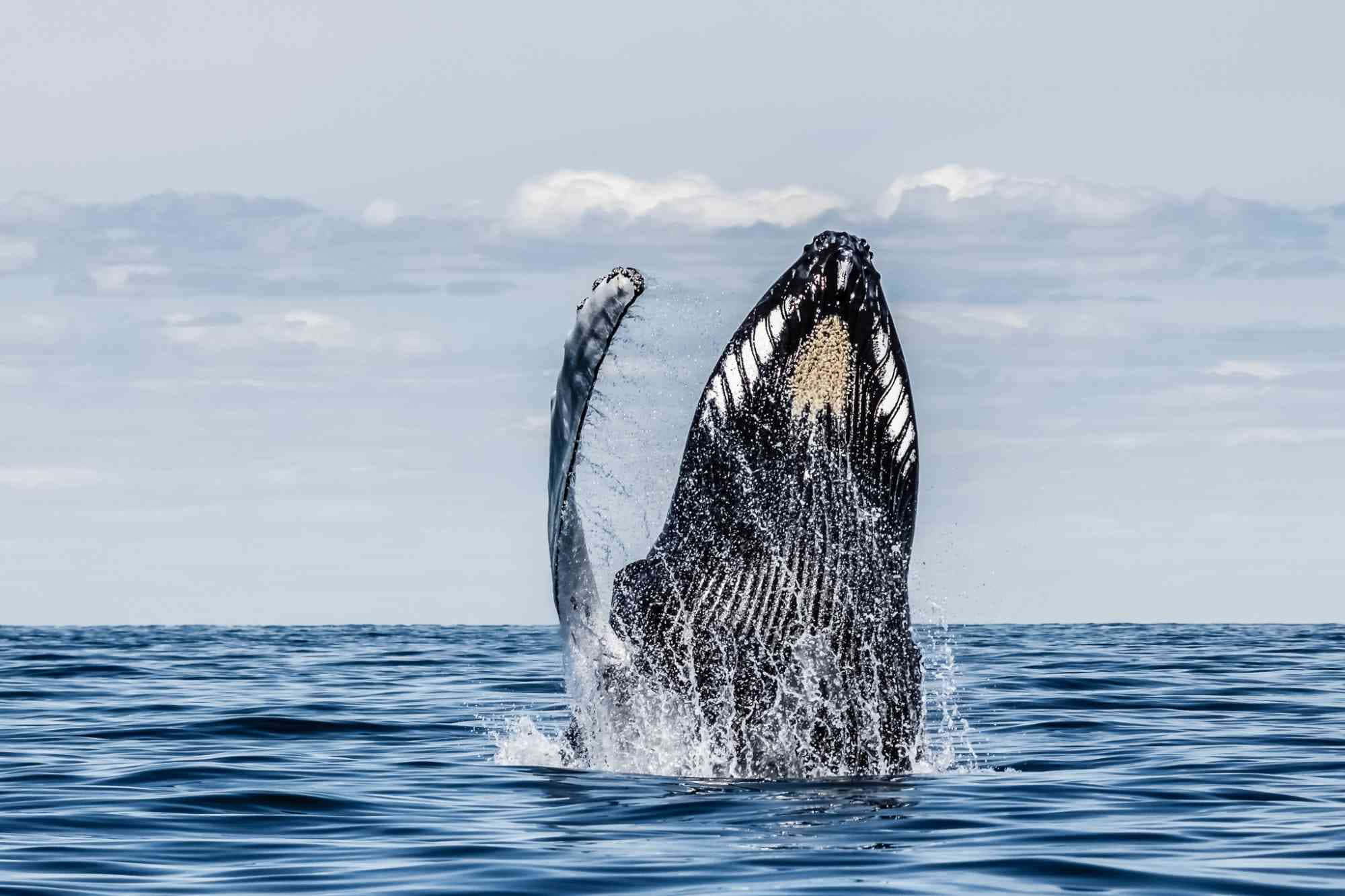
Humpback whales travel more than 10,000 kilometres each year between polar feeding zones and the warm shallows of the Great Barrier Reef, and Townsville sits along one of the busiest corridors of that journey. The northbound leg begins in early June as whales move toward breeding grounds near the Whitsundays and Hervey Bay, while the southbound return—often with newborn calves in tow—peaks from mid-August into September. Water temperature, prey availability, and generational memory drive the timing, and the pattern has remained stable across decades of observation. The townsville whale watching season is framed by two distinct migration phases. Northbound whales tend to move faster, travelling in smaller pods and maintaining a steady pace toward warmer water. Southbound pods are slower, more social, and frequently accompanied by calves born weeks earlier in sheltered bays further north. Breaching, tail slapping, and pectoral fin displays become more common during the return leg as mothers teach young whales surface behaviours and social signalling. Sightings drop sharply after late September as the last stragglers pass beyond the continental shelf and head toward Antarctic waters. Coral Sea swells, wind patterns, and water clarity all affect whale visibility from shore and vessel platforms. Winter months in North Queensland bring stable south-easterly trade winds, lower humidity, and reduced afternoon storm activity compared to the summer wet season. Sea conditions are generally calmest in early morning, which is why most commercial operators schedule departures before midday. Magnetic Island, Cape Cleveland, and the outer reefs near Keeper Reef serve as reliable vantage points, though whales have been sighted within five kilometres of the Townsville coast during peak weeks. Tours operate daily throughout the whale migration window, and most vessels are equipped with hydrophones to detect vocalisations below the surface. Sightings are never guaranteed—humpbacks are wild animals moving through open ocean—but encounter rates during July and August exceed seventy percent on most commercial trips. Visitors planning around the migration should book in advance, monitor local sighting reports, and prepare for offshore conditions even on calm days. The season is short, the whales are punctual, and the window for witnessing one of the ocean's great annual events closes quickly once September ends.
“Humpback whales travel more than 10,000 kilometres each year between polar feeding zones and the warm shallows of the Great Barrier Reef, and Townsville sits along one of the busiest corridors of that journey.”
Townsville Whale Watching Season: Migration Patterns and Timing
The peak season for observing humpback whales near Townsville occurs from June to August, as these marine mammals migrate north through Queensland waters to reach warmer breeding grounds. Early morning hours provide the most favorable sea conditions for sighting activity.
June to August
Moderate visitor numbers18°C–25°C; calm seas common
Migration brings humpback whales through the region; frequent sightings during this period.
Early Morning (08:00–12:00)
Lower visitor density—
The best arrival window for calmer waters and improved visibility conditions.
September to October
Decreasing visitor numbers20°C–28°C; potential wind increases
The tail end of the migration sees whales returning south toward Antarctic waters.
Verdict: The best time to visit is during the peak migration months of June to August, specifically arriving within the 08:00–12:00 window for optimal sea conditions.
Accessing the Townsville Whale Watching Season Operators
Tour operators in Townsville provide services throughout the week to accommodate visitors interested in whale watching during the migration season.
| Monday | 00:00–23:59 | |
|---|---|---|
| Tuesday | 00:00–23:59 | |
| Wednesday | 00:00–23:59 | |
| Thursday | 00:00–23:59 | |
| Friday | 00:00–23:59 | |
| Saturday | 00:00–23:59 | |
| Sunday | 00:00–23:59 |
Townsville Whale Watching Season Costs and Tour Fees
Access to the Townsville coastline is free to the public, though specific costs for whale watching depend on the tour operator selected for the excursion. Official entrance fees to the coastal observation areas are 0 AUD.
While coastal access is 0 AUD, adult travelers typically pay varying rates for boat tours depending on the specific operator and vessel chosen.
Getting to Townsville Whale Watching Season Departure Points
Whale watching departures in Townsville are located along the city waterfront, easily accessible via the main coastal transport routes. Visitors should aim to reach the marina area well in advance of their scheduled departure.
Bruce Highway (A1) to Townsville City
Sunbus routes to Flinders Street Station
Direct service to Townsville Breakwater Marina
Essential Preparation for Townsville Whale Watching Season
Prepare these essentials before your Townsville whale watching trip to ensure comfort and optimal viewing conditions.
-
Book your tour in advance — Operators fill quickly during peak migration months (June–September).
-
Pack motion sickness medication — Sea conditions can be choppy, especially in open water beyond the reef.
-
Bring reef-safe sunscreen and a hat — Tropical sun reflects off the water, increasing UV exposure on deck.
-
Charge camera batteries and clear storage — Whales breach without warning; you need equipment ready for rapid shots.
-
Wear layered, water-resistant clothing — Morning departures start cool; spray and wind chill persist even in Queensland's warmth.
-
Arrive 15 minutes before departure — Briefings cover safety protocols and optimal viewing positions on the vessel.
Check availability
Frequently asked questions about townsville whale watching season
Everything you need to know about townsville whale watching season